Awareness, regulation, and compassionate change

Mindfulness-Based Therapy in San Diego

Mindfulness-based therapy can help you develop a more grounded, compassionate relationship with your thoughts, emotions, physical sensations, and patterns of reaction.

This approach is not about clearing your mind or forcing yourself to relax. It helps you notice what is happening with greater awareness, respond less automatically, and make choices with more clarity.

We offer in-person mindfulness-based therapy in La Jolla and secure online therapy throughout California.

Book a Free 15-Minute Consultation

Mindfulness-Based Therapy May Help With

  • Anxiety, worry, panic, or racing thoughts
  • Chronic stress, burnout, or emotional overwhelm
  • Overthinking, rumination, or persistent self-criticism
  • Depression, low mood, or emotional disconnection
  • Trauma responses and nervous-system activation
  • Difficulty staying present or responding calmly
Person seated comfortably while practicing present-moment awareness and mindful breathing

What Is Mindfulness-Based Therapy?

Mindfulness-based therapy is an integrative approach that helps clients become more aware of what is happening in the present moment. This may include noticing thoughts, emotions, physical sensations, impulses, and automatic reactions without immediately becoming consumed by them or trying to push them away.

As awareness develops, clients may become better able to recognize recurring patterns, understand what intensifies distress, and respond with greater flexibility rather than reacting automatically.

Depending on the client’s needs, mindfulness-based therapy may include present-moment awareness, mindful breathing, body awareness, grounding, emotional observation, self-compassion, acceptance, reflection on thoughts and behavior patterns, nervous-system regulation, and values-based choices.

These practices are individualized. Clients do not need previous experience with mindfulness or meditation.

Mindfulness-Based Therapy Is More Than Meditation

A meditation class generally teaches a practice. Mindfulness-based psychotherapy uses awareness within a clinical relationship to understand the concerns that brought a person to therapy.

Therapy may explore how anxiety, depression, trauma, self-criticism, relationship patterns, and emotional responses appear in thoughts, feelings, physical sensations, and behavior. Mindfulness does not require stopping thoughts or maintaining a constant state of calm. The mind naturally produces memories, predictions, judgments, fears, and worries.

Mindfulness creates more space between an internal experience and the response that follows. Instead of immediately avoiding, judging, suppressing, or acting on a thought or feeling, clients learn to notice what is happening and respond more intentionally.

  • The thought or belief that appeared
  • The emotion connected to it
  • The physical sensations accompanying it
  • The habitual reaction that followed
  • The need, fear, or protective pattern underneath the response
Client pausing and grounding during a supportive mindfulness therapy session

Mindfulness Therapy for Anxiety, Stress, and Emotional Overwhelm

Mindfulness Therapy for Anxiety, Worry, and Overthinking

Anxiety often pulls attention toward the future. The mind may repeatedly scan for danger, imagine worst-case outcomes, replay conversations, or search for certainty that is not available. Physical symptoms may include restlessness, muscle tension, rapid breathing, a racing heart, difficulty sleeping, or feeling unable to settle.

Mindfulness-based therapy can help clients notice anxious thoughts and physical activation without immediately becoming overwhelmed by them.

Mindfulness does not eliminate normal anxiety. It may help people feel less controlled by it.

Support for Chronic Stress and Emotional Overwhelm

Chronic stress can make it difficult to feel rested, present, or emotionally available. Some people feel constantly activated and unable to slow down. Others feel numb, disconnected, exhausted, or as though they are moving through life on autopilot.

Stress may show up through irritability, muscle tension, racing thoughts, difficulty concentrating, emotional reactivity, sleep disruption, exhaustion, avoidance, shutdown, or disconnection from physical and emotional needs.

Mindfulness-based therapy can help clients recognize stress signals earlier, understand how stress affects the mind and body, and create a pause before reacting. That pause can make it easier to respond with more intention, communicate more clearly, and make choices that support emotional and physical well-being.

  • Recognize anxiety earlier and identify patterns that intensify worry
  • Relate differently to racing thoughts and return attention to the present
  • Tolerate uncertainty more effectively
  • Respond to physical activation with grounding
  • Make choices based on values rather than fear

Mindfulness-Based Therapy for Depression and Self-Criticism

Depression may involve sadness, hopelessness, withdrawal, low motivation, emotional numbness, or a sense of disconnection from yourself and others. It can also involve persistent self-criticism.

Mindfulness-based therapy can help clients observe harsh thoughts as mental events rather than unquestioned facts. Therapy may support greater awareness of mood changes, recognition of withdrawal patterns, more compassionate self-understanding, reconnection with emotions and physical needs, and more intentional engagement with relationships and daily life.

Mindfulness-based therapy is not a substitute for appropriate medical or psychiatric care. When needed, it may be one part of a broader treatment plan.

Therapist supporting a client with grounding, body awareness, and nervous-system regulation

Trauma, Body Awareness, and Nervous-System Regulation

Trauma can affect how people experience safety, connection, emotion, and physical sensation. Some clients experience hypervigilance, panic, intrusive memories, emotional reactivity, or difficulty relaxing. Others feel numb, disconnected, shut down, or detached from their bodies.

Mindfulness can support trauma therapy when it is introduced carefully, with attention to safety, choice, pacing, and the client’s capacity to remain present. For some clients, sustained inward focus may initially feel overwhelming. A trauma-informed therapist may instead begin with orienting to the room, grounding through the senses, movement, relational connection, or brief contact with physical sensations.

Mindfulness-based work may help clients notice activation without becoming fully consumed by it, recognize early nervous-system signals, reconnect with the body at a tolerable pace, become more aware of boundaries and needs, and respond to trauma-related patterns with greater compassion.

This work may be integrated with Somatic Experiencing®, relational therapy, psychodynamic therapy, or other trauma-informed approaches.

What Mindfulness-Based Therapy May Look Like in Sessions

Mindfulness-based therapy is collaborative and individualized. A session may include traditional conversation as well as brief experiential practices. Depending on the client, the therapist may invite attention to breathing, physical sensations, emotions, patterns of tension, thoughts and internal narratives, impulses to avoid or react, what is happening in the therapeutic relationship, and what helps the client feel grounded or supported.

Practices are not imposed. Clients can ask questions, pause, modify an exercise, or choose a different approach. Some sessions may include only a few moments of guided awareness. Others may involve a longer exploration of how thoughts, emotions, relationships, and physical sensations interact.

The purpose is not to perform mindfulness correctly. It is to develop a more flexible and compassionate way of relating to experience.

Mindfulness Can Be Integrated With Other Therapy Approaches

Mindfulness-based therapy does not need to be used in isolation. At Mindful Guides, mindfulness may be integrated with several therapeutic approaches depending on the client’s needs.

Cognitive Behavioral Therapy

Mindfulness can help clients notice thoughts and beliefs as they arise. CBT can then help examine whether those thoughts are accurate, helpful, or connected to recurring behavior patterns.

Somatic and Nervous-System-Informed Therapy

Mindfulness can support awareness of physical sensations, activation, shutdown, and changes in the nervous system. Somatic work may help clients explore those experiences at a manageable pace.

Psychodynamic Therapy

Mindfulness can help clients notice emotional and relational patterns as they arise in the present. Psychodynamic therapy may explore how those patterns connect to earlier relationships and experiences.

Relational Therapy

Mindfulness may help clients become more aware of how they respond to closeness, conflict, vulnerability, boundaries, and emotional needs within relationships.

Who May Benefit From Mindfulness-Based Therapy?

Mindfulness-based therapy may be helpful for clients who feel trapped in repetitive thoughts, struggle to slow down or remain present, experience anxiety or emotional overwhelm, want to respond less reactively, feel disconnected from their body or emotions, or understand their patterns intellectually but still feel stuck.

It may also be a fit for people who want therapy that includes both reflection and experiential work, or who are interested in integrating mind-body awareness into therapy.

Mindfulness is not the right fit for every client or every stage of treatment. During the consultation and early sessions, the therapist can help determine whether this approach feels appropriate and supportive.

Talk With Us About Therapist Fit

Finding the Right Mindfulness Therapist Matters

Finding the right mindfulness therapist in San Diego involves more than finding someone who teaches meditation. The therapist should understand how thoughts, emotions, physical sensations, relationships, trauma responses, and nervous-system patterns interact.

Mindfulness-based therapy should feel collaborative, respectful, and responsive to the client’s pace. At Mindful Guides, we consider the client’s concerns and goals, previous therapy experiences, comfort with experiential practices, trauma history, preferred pace, need for practical tools or deeper exploration, in-person or online preference, therapist availability, and interpersonal fit.

Nicole Kahn helps new inquiries connect with the therapist who may be the best match for their needs, preferences, and availability.

Meet Our Mindfulness-Based Therapy Team

All Mindful Guides clinicians integrate mindful awareness into their work in ways that reflect their training, therapeutic style, and the needs of each client. Nicole helps new inquiries identify the therapist whose experience and approach may be the best fit.

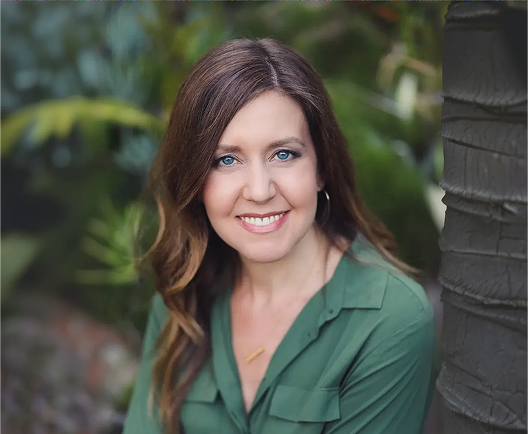
Nicole Kahn, mindfulness-based therapist and Clinical Director at Mindful Guides Therapy Center

Nicole Kahn, M.A., Ed.M.

Founder & Clinical Director, Licensed Marriage & Family Therapist

Nicole integrates mindful awareness with Somatic Experiencing®, Trauma Touch, relational, psychodynamic, and mind-body approaches to support regulation, self-awareness, and greater choice.

In person & virtualLearn more about Nicole
Lisa Marks, mindfulness-informed therapist and Clinical Supervisor at Mindful Guides

Lisa Marks, M.A.

Licensed Marriage & Family Therapist, Clinical Supervisor

Lisa incorporates mindfulness through body awareness, nervous-system regulation, and gentle attention to how stress and emotion are experienced physically.

In person & virtualLearn more about Lisa
Drisana Davis, virtual mindfulness-based therapist serving clients across California

Drisana Davis, M.A.

Licensed Marriage & Family Therapist

Drisana integrates mindfulness with Somatic Experiencing®, attachment-based therapy, depth psychology, existential exploration, and person-centered care.

Virtual onlyLearn more about Drisana
Rebecca Beville, mindfulness-informed therapist at Mindful Guides Therapy Center

Rebecca Beville, M.A.

Licensed Marriage & Family Therapist

Rebecca brings present-moment reflection and mind-body awareness into psychodynamic, narrative, attachment-based, somatic, and Internal Family Systems-informed work.

In person & virtualLearn more about Rebecca
Crystal Carson, mindfulness-based therapist at Mindful Guides Therapy Center

Crystal Carson, M.A.

Licensed Marriage & Family Therapist

Crystal integrates mindfulness practices from Eastern and Western psychology with Mindful Self-Compassion, somatic therapy, depth psychology, and relational approaches.

In person & virtualLearn more about Crystal
Jenny Perillo, mindfulness-based Associate Marriage and Family Therapist at Mindful Guides

Jenny Perillo, M.A.

Registered AMFT, supervised by Lisa Marks, LMFT

Jenny brings mindfulness and mind-body awareness into trauma-informed, person-centered work alongside attachment, narrative, psychodynamic, ACT, DBT, and CBT approaches.

In person & virtualLearn more about Jenny
Mindful Guides Therapy Center office in La Jolla, California

In-Person Mindfulness Therapy in La Jolla and Online Across California

Mindful Guides Therapy Center offers in-person mindfulness-based therapy at our La Jolla office for clients throughout San Diego. Our office is located at 2255 Avenida De La Playa, Suite 4A, La Jolla, CA 92037.

Secure online mindfulness-based therapy is also available for clients located throughout California. Online therapy may be helpful for clients who live outside San Diego, have demanding schedules, need greater flexibility, or prefer receiving therapy from home.

Drisana Davis provides virtual sessions only. All other clinicians on this page offer both in-person and virtual appointments, subject to current availability.

Frequently Asked Questions About Mindfulness-Based Therapy

Mindfulness-based therapy helps clients become more aware of thoughts, emotions, physical sensations, and patterns of reaction in the present moment. This awareness may support greater emotional regulation, self-compassion, and flexibility.
No. Meditation may be one tool used in mindfulness-based therapy, but therapy also includes conversation, emotional exploration, relationship patterns, body awareness, and individualized clinical support.
No. Clients do not need prior experience. Practices can be brief, simple, and adapted to each person’s comfort level and clinical needs.
Mindfulness-based therapy may help clients notice anxious thoughts, physical activation, reassurance-seeking, and avoidance patterns without immediately reacting to them. It can support grounding, distress tolerance, and a more flexible response to uncertainty.
It may help clients become more aware of depressive thought patterns, withdrawal, self-criticism, and emotional disconnection. Therapy may also support greater self-compassion and more intentional engagement with daily life.
It can be, but mindfulness should be introduced carefully and at a pace that feels safe. Trauma-informed mindfulness may begin with external grounding, movement, relational support, and choice rather than prolonged inward focus.
Sessions may include conversation, reflection, body awareness, grounding, mindful breathing, emotional observation, or brief experiential practices. The therapist adapts the work to the client’s needs, comfort, and goals.
Yes. Mindful Guides offers secure online mindfulness-based therapy for clients located throughout California. Drisana Davis offers virtual sessions only, while the other clinicians listed on this page offer both in-person and virtual sessions, subject to availability.

Begin With a Free 15-Minute Consultation

You do not need to know exactly which therapy approach you need before reaching out. During the free consultation, we can learn more about what you are experiencing, answer initial questions, and help determine whether mindfulness-based therapy or another form of support may be the best fit.

Mindful Guides Therapy Center offers in-person therapy in La Jolla and online therapy throughout California.

Book a Free 15-Minute Consultation