Mind, body, emotion, and lived experience

Embodied IntegrationTherapy in San Diego

Sometimes you can understand what is happening intellectually and still feel disconnected from yourself. You may recognize the pattern, know where it came from, and even know what you want to change—yet your body, emotions, or automatic reactions seem to be moving in a different direction.

Embodied Integration is an integrative approach to therapy that helps bring thoughts, emotions, bodily experience, relationships, and different parts of the self into greater connection.

Adult man smiling outdoors in a warm, reflective portrait

When Insight Alone Doesn’t Feel Like Enough

Many people come to therapy already thoughtful and self-aware. They may have spent years reflecting, talking, reading, or trying to understand themselves. The difficulty is not always a lack of insight. Sometimes the challenge is helping that insight become something you can actually feel, trust, and live.

Feeling disconnected from your body, emotions, or sense of self
Knowing what you want to change but feeling unable to shift an automatic pattern
Conflicting parts of you wanting different things
Feeling overwhelmed, numb, ungrounded, or emotionally flooded
Difficulty integrating a stressful, traumatic, or deeply affecting experience
A sense that talk therapy has helped you understand the problem but has not fully changed how the pattern lives in you
Feeling changed by an intense or expansive experience and needing help bringing it into everyday life

What Is Embodied Integration?

Embodied Integration is a way of working with the whole person rather than treating thoughts, emotions, physical sensations, relationships, and identity as separate systems. It recognizes that meaningful experiences are often held not only in the stories we tell about our lives, but also in the way we brace, shut down, become activated, disconnect, protect ourselves, or move toward and away from other people.

In therapy, this can mean noticing what is happening in your body while you talk, becoming more aware of the parts of you that carry different needs or protective roles, and exploring how old experiences continue to shape present-day reactions. The goal is not to force a particular state or to eliminate every uncomfortable feeling. It is to develop a more coherent relationship with your inner experience so that you have greater choice in how you respond.

For some people, this work centers on trauma or chronic stress. For others, it may involve relationships, identity, life transitions, grief, emotional patterns, or the integration of a profound experience. The approach is adapted to the person rather than applied as a fixed protocol.

Two women in a calm, connected conversation at home

How Embodied Integration Works

Notice what is happening now

Therapy may begin by slowing down enough to notice thoughts, emotions, sensations, impulses, posture, breath, or shifts in energy. These cues can provide information that is easy to miss when we stay only at the level of analysis.

Understand protective patterns and parts

Different parts of us often develop for understandable reasons. One part may push forward while another pulls back. One may seek closeness while another expects disappointment. Therapy can help you become curious about these patterns rather than fighting them.

Build greater capacity for regulation and presence

When the nervous system becomes overwhelmed, it can be difficult to think clearly, stay connected, or make intentional choices. Depending on your needs, therapy may include grounding, pacing, mindfulness, body awareness, or other ways of increasing the ability to stay present with experience.

Bring insight into lived experience

Understanding a pattern is valuable. Embodied Integration also asks what changes when that understanding is felt in the body, practiced in relationships, and translated into different choices outside the therapy room.

What to Expect in an Embodied Integration Therapy Session

Embodied Integration is not one exercise or a single technique. Sessions are collaborative and may look different depending on what you are working through and what helps you feel safe, engaged, and able to stay present.

Hispanic client speaking with a therapist during an Embodied Integration therapy session
  • Talking through what is happening in your life and relationships
  • Noticing physical sensations, breath, tension, movement, or shifts in activation
  • Exploring emotions and the meanings attached to them
  • Identifying different parts, protective strategies, or internal conflicts
  • Practicing mindfulness or grounding when useful
  • Connecting present reactions with earlier relational or emotional experiences
  • Experimenting with new ways of responding and bringing them into daily life

You do not have to perform, achieve a particular emotional state, or disclose more than you are ready to explore. The therapist’s role is to help pace the work and adapt the approach to your history, goals, and capacity in the moment.

Who May Be a Good Fit for Embodied Integration?

Embodied Integration may appeal to people who want therapy to include more than cognitive insight alone. It can be especially relevant when the problem seems to involve several layers at once—for example, thoughts that say one thing, a body that reacts another way, and emotional or relational patterns that seem to repeat automatically.

You do not need prior experience with somatic therapy, mindfulness, meditation, or parts work. The starting point is your current experience and what you hope will become different.

Mindful Guides offers several therapy approaches that can overlap while serving different purposes. Your therapist may draw from more than one approach when clinically appropriate.

Somatic Experiencing® and body-based therapy

Somatic Experiencing® places particular emphasis on the nervous system, bodily responses, and the impact of trauma and stress. Embodied Integration may include body awareness while also bringing together emotional, relational, cognitive, and parts-oriented work.

Mindfulness-Based Therapy

Mindfulness-based therapy uses present-moment awareness to change how you relate to thoughts, emotions, and internal experience. Embodied Integration may incorporate mindfulness while placing additional emphasis on how insight becomes integrated across body, identity, relationships, and behavior.

Cognitive Behavioral Therapy

CBT focuses more explicitly on the relationship among thoughts, emotions, and behavior and on practicing new ways of responding. Embodied Integration may be useful when cognitive insight is present but the pattern also feels bodily, relational, or rooted in different parts of the self.

Psychodynamic Therapy

Psychodynamic therapy explores emotional patterns, relationships, attachment, and the influence of earlier experiences on the present. Embodied Integration may include that depth while paying close attention to how those patterns are experienced in the body and in real time.

Embodied Integration at Mindful Guides Therapy Center

At Mindful Guides Therapy Center in La Jolla, therapy is tailored to the person rather than organized around a one-size-fits-all method. Our clinicians work from integrative, relational, and trauma-informed perspectives and may incorporate somatic awareness, mindfulness, parts-oriented work, attachment, psychodynamic exploration, and other evidence-informed approaches according to the client’s needs.

The aim is not simply to understand yourself better, but to help greater clarity, connection, and choice become part of how you experience your life.

Meet Our Embodied Integration Therapy Team

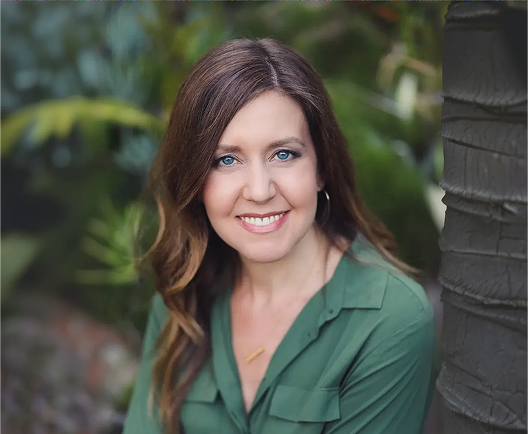
Nicole Kahn, M.A., Ed.M., LMFT, therapist at Mindful Guides Therapy Center

Nicole Kahn, M.A., Ed.M.

Founder & Clinical Director, Licensed Marriage & Family Therapist

Nicole’s integrative work draws from relational therapy, Somatic Experiencing®, mindfulness, trauma-informed approaches, and mind-body therapy. Nicole has also received certification in Psychedelic-Assisted Therapies from CIIS and has years of experience supporting the integration of non-ordinary state experiences. Her work can help clients explore how emotional, relational, and bodily patterns fit together rather than treating them as separate concerns.

In person & virtual

Learn more about Nicole
Lisa Marks, M.A., LMFT, therapist at Mindful Guides Therapy Center

Lisa Marks, M.A.

Licensed Marriage & Family Therapist, Clinical Supervisor

Lisa works from grounded relational and somatic perspectives and supports clients navigating stress, grief, life transitions, emotional patterns, relationship concerns, and disconnection. Her approach is individualized to the client’s concerns, goals, and preferred pace.

In person & virtual

Learn more about Lisa
Drisana Davis, M.A., LMFT, therapist at Mindful Guides Therapy Center

Drisana Davis, M.A.

Licensed Marriage & Family Therapist

Drisana works from a holistic and integrative framework that considers cognitive, behavioral, emotional, relational, physical, and social dimensions of well-being. Her work may draw from Somatic Experiencing®, mindfulness, attachment-based therapy, depth psychology, existential exploration, and person-centered approaches.

Virtual only

Learn more about Drisana
Rebecca Beville, M.A., LMFT, therapist at Mindful Guides Therapy Center

Rebecca Beville, M.A.

Licensed Marriage & Family Therapist

Rebecca works from a client-centered and integrative foundation and may incorporate attachment work, Internal Family Systems-informed therapy, Narrative Therapy, cognitive and behavioral strategies, and somatic interventions according to the client’s needs.

In person & virtual

Learn more about Rebecca
Crystal Carson, M.A., LMFT, therapist at Mindful Guides Therapy Center

Crystal Carson, M.A.

Licensed Marriage & Family Therapist

Crystal works from relational and somatic-informed perspectives with clients navigating grief, trauma, relationship difficulties, emotional awareness, stress, and life transitions. Her approach may include mindfulness, emotional regulation, and body-based awareness.

In person & virtual

Learn more about Crystal

In-Person Embodied Integration Therapy in La Jolla and Online Across California

Mindful Guides Therapy Center offers in-person therapy from our La Jolla office, with virtual therapy available across California depending on the clinician. A free 15-minute consultation can help you discuss what you are looking for and determine which therapist or therapy approach may be the best fit.

Mindful Guides Therapy Center office in La Jolla, San Diego

Frequently Asked Questions About Embodied Integration Therapy

What is Embodied Integration therapy?

Embodied Integration is an integrative approach that helps connect thoughts, emotions, bodily experience, relationships, and different parts of the self. Rather than working only through analysis, therapy may also include awareness of sensations, patterns of activation or shutdown, emotional responses, and what is happening in the present moment.

What happens during an Embodied Integration therapy session?

Sessions are individualized. You may talk through current concerns, notice what is happening in your body as you speak, explore conflicting parts or protective patterns, practice grounding or mindfulness, and connect present reactions with earlier experiences. The therapist adapts the pace and methods to your goals and what feels manageable.

How is Embodied Integration different from Somatic Experiencing®?

Somatic Experiencing® is a specific body-based approach that places strong emphasis on the nervous system and responses to trauma and stress. Embodied Integration is broader and may incorporate somatic awareness while also integrating emotional, relational, cognitive, mindfulness-based, parts-oriented, and psychodynamic work.

Do I need to have experienced trauma for Embodied Integration to be useful?

Not necessarily. Some people explore Embodied Integration because of trauma or chronic stress, while others are working with emotional patterns, relationships, identity, major life changes, internal conflict, or a sense of disconnection from themselves.

Can Embodied Integration complement talk therapy?

Yes. Embodied Integration can include conversation and insight while also paying attention to bodily and emotional experience. It may be useful for people who understand a pattern intellectually but want help translating that understanding into a different felt experience or response.

Is Embodied Integration the same as mindfulness or meditation?

No. Mindfulness may be one tool used in the work, but Embodied Integration is a psychotherapy approach that can also include relational exploration, parts work, body awareness, emotional processing, and other therapeutic methods.

Can Embodied Integration help after an intense meditative, spiritual, or psychedelic experience?

Embodied Integration can support people after intense meditative, spiritual, psychedelic, or other profound experiences. Therapy may help a person process what happened, reconnect with everyday life, and explore how the experience relates to emotions, relationships, values, and the body.

How do I know whether Embodied Integration is the right approach for me?

You do not have to decide on a therapy modality by yourself. A free consultation can help you describe what you are experiencing, what has or has not helped before, and what you hope to change. Mindful Guides can then help determine whether Embodied Integration or another therapy approach may be a better fit.

You Don’t Have to Choose the Right Therapy Approach Alone

If you feel disconnected, overwhelmed, caught between different parts of yourself, or frustrated that insight has not translated into lasting change, a conversation can help clarify what kind of support may fit.

Schedule a free 15-minute consultation with Mindful Guides Therapy Center to talk about what you are experiencing and whether Embodied Integration or another therapy approach may be appropriate.